Appeals Service — GOV.UK Interaction Design Case Study
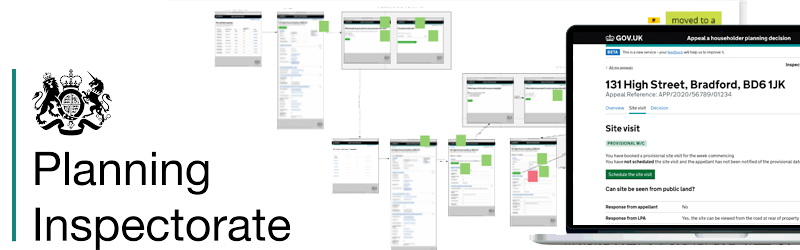
This GOV.UK interaction design case study outlines my work with the Planning Inspectorate on modernising the Planning Appeals back-office system. As a Senior Interaction Designer, I built and iterated accessible GDS-compliant prototypes to improve workflow efficiency for Inspectors and Case Officers.
The challenge
The existing Appeals Service for the Inspectors is in need of modernising. The legacy system is outdated and not user-friendly. A new system will allow Inspectors to manage their work more easily without relying on Case Officers to manually move things along the workflow.
The goal was to reduce reliance on manual case progression and improve transparency across the appeal lifecycle. The redesigned interaction patterns aimed to reduce cognitive load and support decision-making efficiency for planning professionals.
My responsibilities
As the Senior Designer I was responsible for designing concepts for the screens, observing user testing with our Beta Inspectors, building HTML prototypes and presenting ideas back to the project board.
GOV.UK Design system & prototyping
All prototypes were developed using the GOV.UK Prototype Kit and aligned with the GOV.UK Design System. Interaction patterns, components and accessibility standards were carefully followed to ensure consistency and compliance with GDS requirements.
The approach
Working with the service designers, user researchers and SMEs to make the solution as simple as possible. The core of the work is based around the main case details screen. The first stage was to Identify the 2 main users of the back office system (Case officers and Inspectors) and how they work.
- Case Officers manage the appeal in the back-office system, moving it through the workflow, communicating with the parties and the Inspector and completing any admin tasks.
- Inspectors are planning experts who weigh up the evidence from the appellant/agent and the Local Planning Department, conduct a site visit and make the final decision on the appeal.
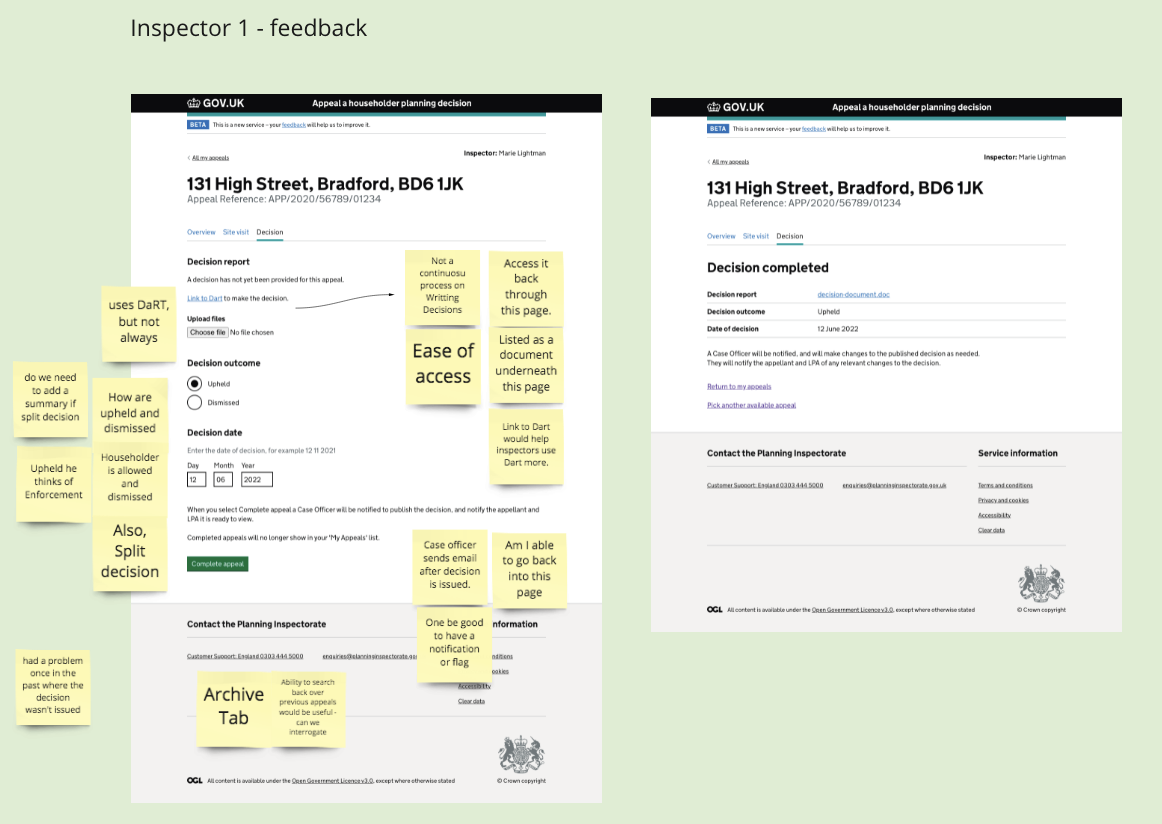
I then sought feedback from the Inspectors from fortnightly show and tells. This provided great engagement and feedback, lots of questions and useful suggestions that were fed into the backlog .
- Updated the journey for booking a site visit after initial User Research sessions with our Beta Inspectors.
- Changes to the content order and layout of screens following the research feedback from card sorting.
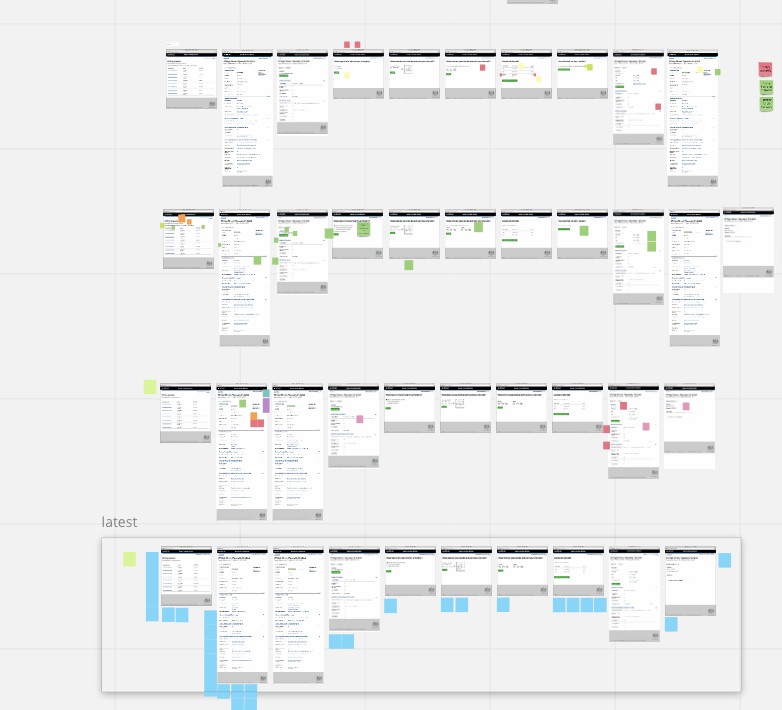
- Created a series of screens in the Government Design Toolkit hosted on Heroku. These conform to the approved styles, components and patterns in the Design System
- Met our Beta assessment so project can proceed to Private Beta.

The pilot launched with Barnet Council in September 2024.
About Martin Gray
Martin is an interaction designer specialising in UX, UI and front-end prototyping. He specialises in accessible GOV.UK services and uses the GOV.UK Prototype Kit. View his web design case studies or learn more about Martin Gray.